

Why Riverside Routes Are Perfect for Leisurely Walking
There's something calming about walking alongside water. The gentle sound of flowing rivers, the way light dances across the surface, and the natural cooling effect of the water — it's all part of what makes riverside walks so special. You're not just getting exercise; you're getting peace.
The Lee Walk in Cork and the Shannon routes in Limerick aren't your typical city paths. They're designed to let you slow down, breathe properly, and actually notice your surroundings. The shade from overhanging trees keeps things cool even on warmer days. And because they follow the water's natural curves, there's very little steep elevation change — which is exactly what you want if you're looking for a comfortable, unhurried experience.
We've walked these routes with hundreds of people over the years. The feedback's always the same: "I didn't realize how much I needed this." That's what these walks do. They work.

The Lee Walk in Cork: Shade and Gentle Pacing
The Lee Walk runs through the heart of Cork city, following the River Lee as it winds through parks and past historic sites. The total route is about 4 kilometers, which takes most people around 50-70 minutes at a relaxed pace. That's not a rushed walk — that's the kind where you can stop whenever something catches your eye.
What Makes the Lee Walk Special
- Heavily shaded — about 70% of the route has overhead tree cover
- Multiple benches positioned every 200-300 meters for rest stops
- Flat, paved surface throughout — no gravel or uneven sections
- Access to cafés and rest facilities without leaving the route
- Water views constantly changing — never feels monotonous
The best time to do this walk is mid-morning or late afternoon. You'll avoid the peak tourist times, and the light's much softer on the water. We'd recommend starting at Fitzgerald's Park — there's parking, bathrooms, and a café where you can grab something warm before you head out. The walk itself isn't difficult, but you'll want proper footwear with good grip because some sections can be slightly damp from mist off the river.

Educational Resource Note
This article provides informational guidance about walking routes in Ireland. Walking conditions, accessibility features, and amenities can change seasonally and may be affected by weather or maintenance work. Always check local council websites or visitor information centers for current conditions before planning your visit. If you have specific mobility concerns or health conditions, consult your healthcare provider before undertaking any walking route.
Shannon Routes in Limerick: Water, History, and Space to Think
The Shannon River is wider than the Lee, which means different scenery and a completely different walking experience. The routes here are longer — you're looking at 5-7 kilometers depending on which section you choose — but that's because the path feels more open and less crowded than the Cork walk.
Start at the Limerick City Museum area. From there, you can head north along the river toward Thomond Park, or south toward the weir. The northbound route is particularly good if you enjoy history — you'll pass the Treaty Stone and King John's Castle, both with views across the water. But here's what we really like about these routes: you can do a short 3-kilometer section if you're having an off day, or extend it to 6-7 kilometers if you're feeling stronger. There's no "you must complete the whole thing" pressure.
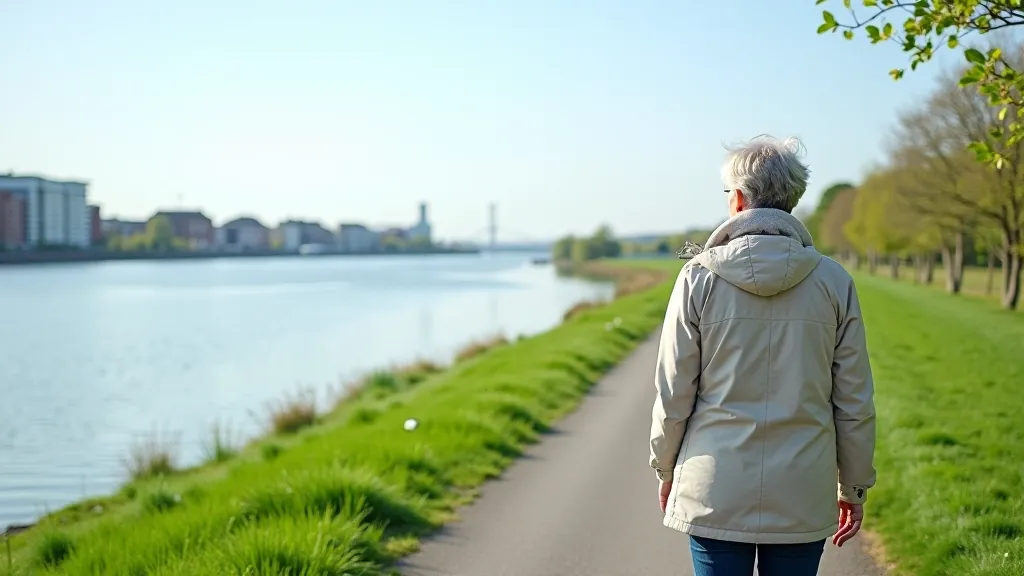
The surface is mixed here — some paved sections, some compacted gravel paths. They're well-maintained, but wear shoes with good ankle support because the ground can shift slightly. The best advantage of the Shannon routes? They're less shaded than the Lee Walk, which means better for colder months but you'll want a hat and sunscreen in summer.
Practical Tips for Riverside Walking Success
Bring Water — Seriously
Even if you think it's not a long walk, bring a water bottle. The sound and sight of water can be deceptive — you're more active than you realize, and you'll feel thirsty sooner than expected.
Check Weather Before You Go
Riverside paths can be slippery after rain. Not impassable, but worth knowing about. Early morning mist off the river also means damp surfaces — waterproof shoes make a real difference.
Use the Benches Strategically
Don't wait until you're tired to sit down. Take breaks every 15-20 minutes if you need to. There's no award for not resting — the goal is to enjoy yourself.
Go With Someone, or Tell Someone
These routes are safe and well-used, but it's always sensible to walk with a friend or let someone know where you're going and when you'll be back.
Start Early, Leave Time to Explore
Morning walks mean fewer crowds and better light. Plus, if you finish earlier than expected, you can explore nearby cafés without rushing.
Wear Layers You Can Remove
Even on mild days, it's cooler near water. You'll warm up as you walk, so start with a light jacket you can tie around your waist if needed.
The Real Value of These Routes
Here's what we've noticed after years of working with walkers on these routes: it's not about the distance or the pace. It's about creating a moment where you're moving, breathing fresh air, and not thinking about anything else. The Lee Walk and Shannon routes do that naturally.
You'll meet other walkers, notice seasonal changes in the plants and birds, and remember why you enjoy being outside. Some days you'll walk the whole thing. Some days you'll walk 1 kilometer and sit for 20 minutes watching the water. Both are equally valuable.

If you've been looking for a walking route that doesn't feel rushed, that's actually enjoyable rather than just "good exercise," these are the ones. Cork's Lee Walk and Limerick's Shannon routes have been designed with exactly that in mind — space to breathe, scenery to appreciate, and a pace that works for you.